Atlanta Coworking vs Traditional Office Space
Compare traditional offices and coworking spaces in Atlanta, including lease terms, costs, amenities, furnishings, flexibility, and networking opportunities.
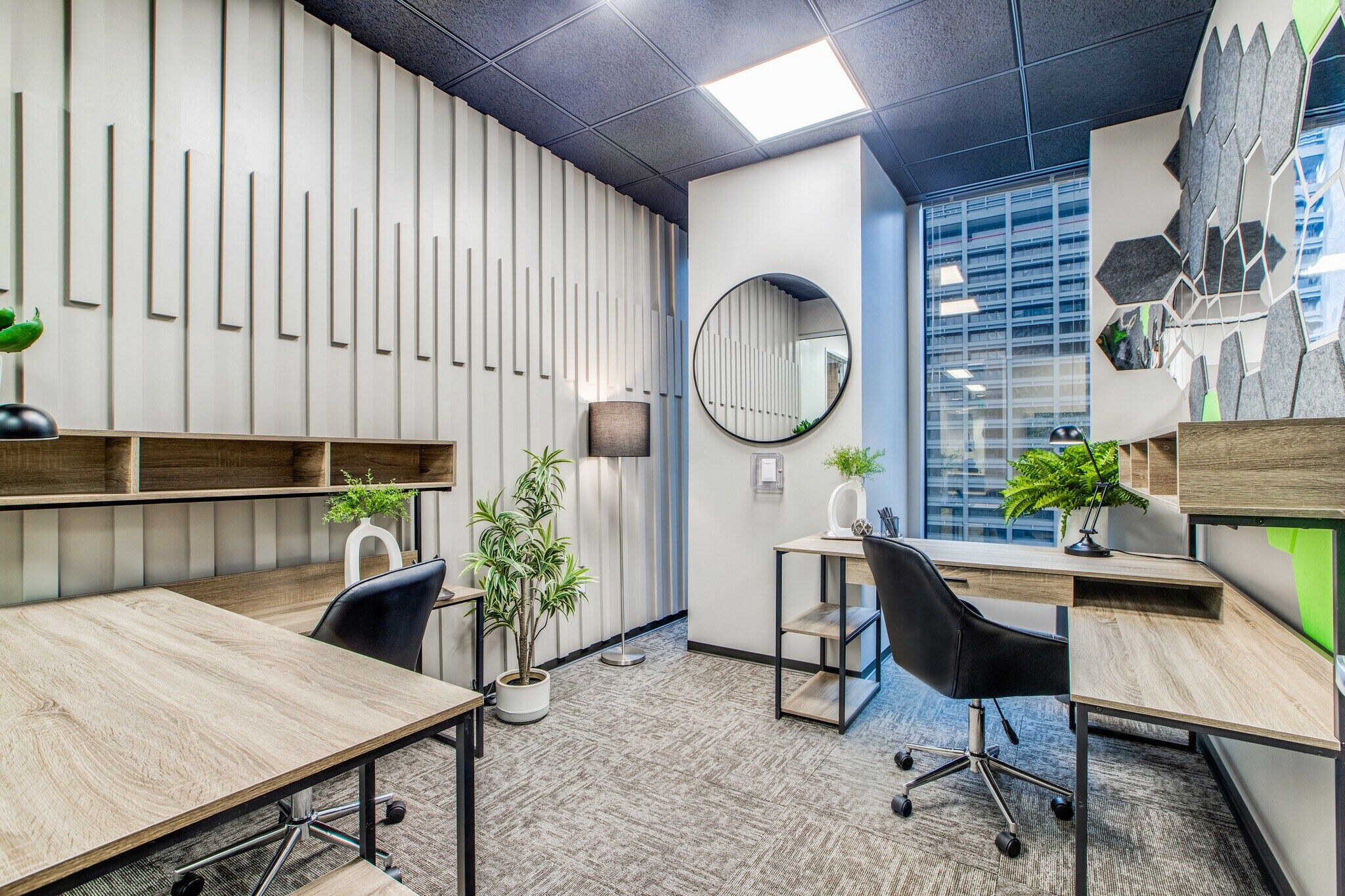
Overwhelmed by the office options in Atlanta? If the answer is yes, that’s understandable. Luckily, we’re here to explain the two main categories, so you know what the different labels mean. Traditional office spaces are what probably comes to mind when you think of a corporate office. One company. Cubicles. Window offices reserved for the C-suite. This model works for established corporations that are willing to commit to extended leases. They aren’t worried about breakage fees because they aren’t going anywhere. They have relationships with internet providers, and they already own printing systems and enough office furniture for the team. Not everyone is an established business, though, which is why coworking has exploded in Atlanta and around the world.
Coworking spaces are a great option for startups, small businesses, remote teams, and freelancers. Think beautiful, modern spaces on short term, flexible lease, surrounded by a variety of professionals from different backgrounds and industries. Management and amenities come with your membership, so you can do your job and go home when you’re finished.
Here is a breakdown of some differences to consider when you’re deciding which model is a better fit for you:
Lease terms:
Traditional office spaces bind you to a long-term lease. This can work for more stagnant businesses, but it is not ideal for those who are rapidly developing. If your plans change or your company outgrows the space, you have to pay hefty fines to get out of the contract, and there is typically less room for growth within your space, because the other floors of your building are rented out on long term leases to other companies.
Coworking spaces have flexible lease plans, usually on a yearly or month-to-month basis. This is perfect for startups and small businesses who plan on expanding, because coworking is designed to grow with you. Leases are shorter term for everyone, so reshuffling can happen as needed.
Furnishing:
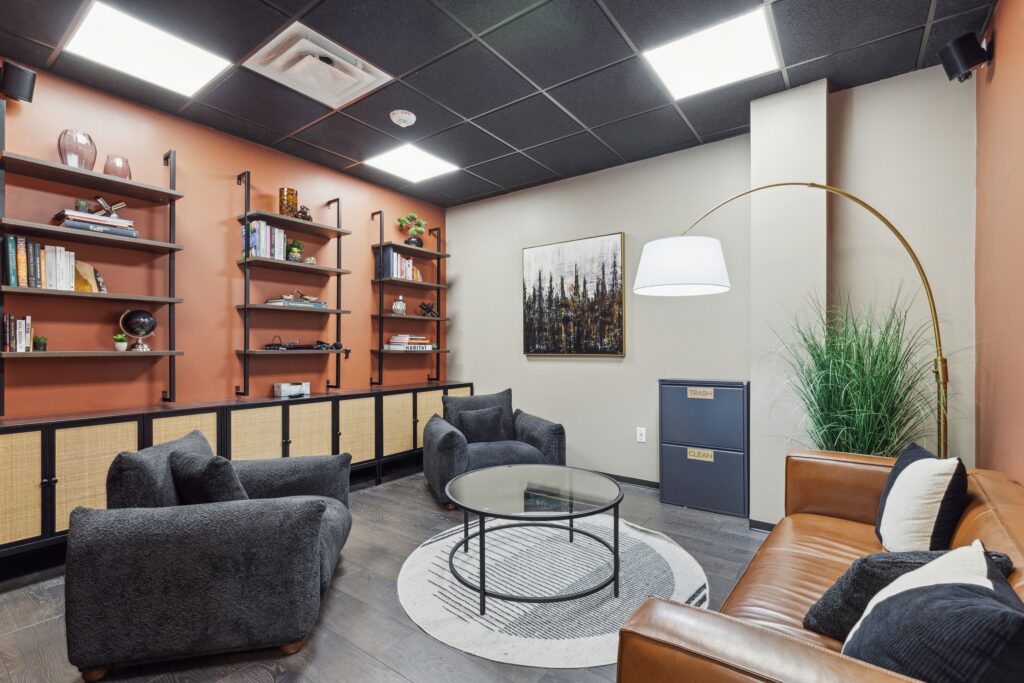
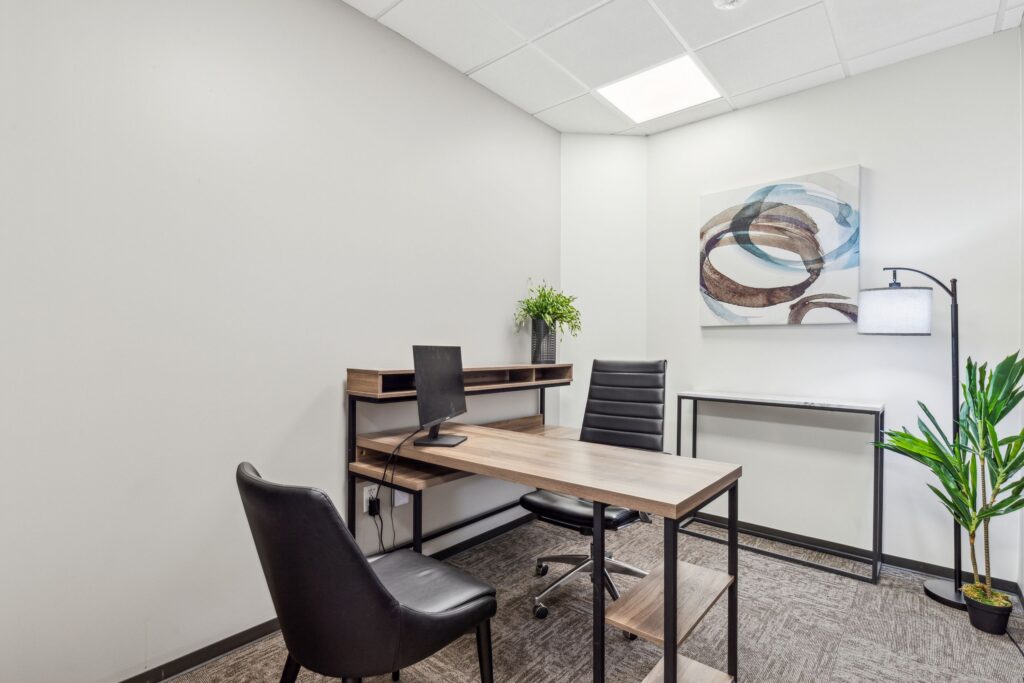
Traditional offices often give you the space and leave you to figure out the rest. You have to rent or buy office furniture and decorations. Not only is this expensive, it also takes up time, and prevents you from moving into the space right away.
Coworking spaces are usually furnished, and at some, like Lucid, you can customize your office based on your specific needs. We’ll even decorate your office for you, just say the word! This saves you time and money, because you don’t have to pay extra for the furniture, and we’ll have it ready whenever you’re ready to move in so you can forget about furniture shopping and get to work right away.
Amenities:
We already know that traditional office spaces give you the space. They usually take care of janitorial services and air conditioning as well. But what about your other needs?
In a coworking space, the building management and the amenities are taken care of. The membership at a coworking space generally includes Wi-Fi, printing, janitorial services, electricity, and water. Many even come with receptionist and mail services, as well as kitchens and gyms.
Networking:


In a traditional office space, the general rule is one floor, one company, or even one building, one company. This can lead to cohesion and focus, but you also might get tired of only talking to the same people or burnt out because you are all working on the same types of projects. Networking tends to be internal and geared towards building community amongst employees.
The mix of people in a coworking space keeps you constantly on your toes. You will frequently cross paths with different people who can provide fresh perspectives and different ideas. A network forms organically between entrepreneurs, freelancers, and whatever other professionals are in the space, which can lead to fruitful collaborations and a more natural social environment.
Pricing:
Traditional office spaces cost more upfront, but it doesn’t stop there. You are responsible for rent, furniture, maintenance, and utilities, so it is more expensive in the long term as well. There is no flexibility in what you pay for, so you pay the same amount whether you are in the office every day or commute once a week.
In a coworking space, the price tends to be lower, but it also includes the aforementioned expenses, so your cost is easier to predict in the long run. There are also different prices for different memberships. At Lucid, for example, we have a Part-Time Private Office plan where you get access to an office three days a week and only pay for those days. If you need to have a private personalized space, then the Full-Time Private Office plan has you covered.
Now that you know the main differences, it’s up to you to pick which one is best for your business. If you decide that you want an elevated coworking experience, stop by Lucid Private Offices for a tour and we’ll show you what we have to offer!
Get started
How it works
Contact us
Your inquiries, handled with precision and speed.
Book a tour
Explore our spaces at your convenience.
Customize your workspace
Choose your layout and terms effortlessly.
Get to work
Move into your office today.