
What Is a Virtual Office? (Complete Guide + Benefits for Modern Businesses)
What is a Virtual Office?
A virtual office is a business service that provides companies with a professional commercial address and office support services without requiring them to rent or occupy physical office space full-time.
Virtual offices allow businesses to maintain a professional presence in a commercial office building while operating remotely. Instead of leasing a traditional office, companies can use a virtual office to receive mail, register their business address, access meeting rooms when needed, and maintain a credible business image. Virtual offices have become increasingly popular as remote work, digital entrepreneurship, and distributed teams continue to grow worldwide. Many modern businesses no longer require permanent office space but still need the legitimacy and functionality of a professional business address. For startups, consultants, online companies, and remote professionals, a virtual office offers a cost-effective way to establish credibility, protect personal privacy, and access professional office services without the financial commitment of a traditional office lease. Companies like Lucid Private Offices provide virtual office solutions that allow businesses to maintain a professional presence while staying flexible and scalable.
Virtual Offices
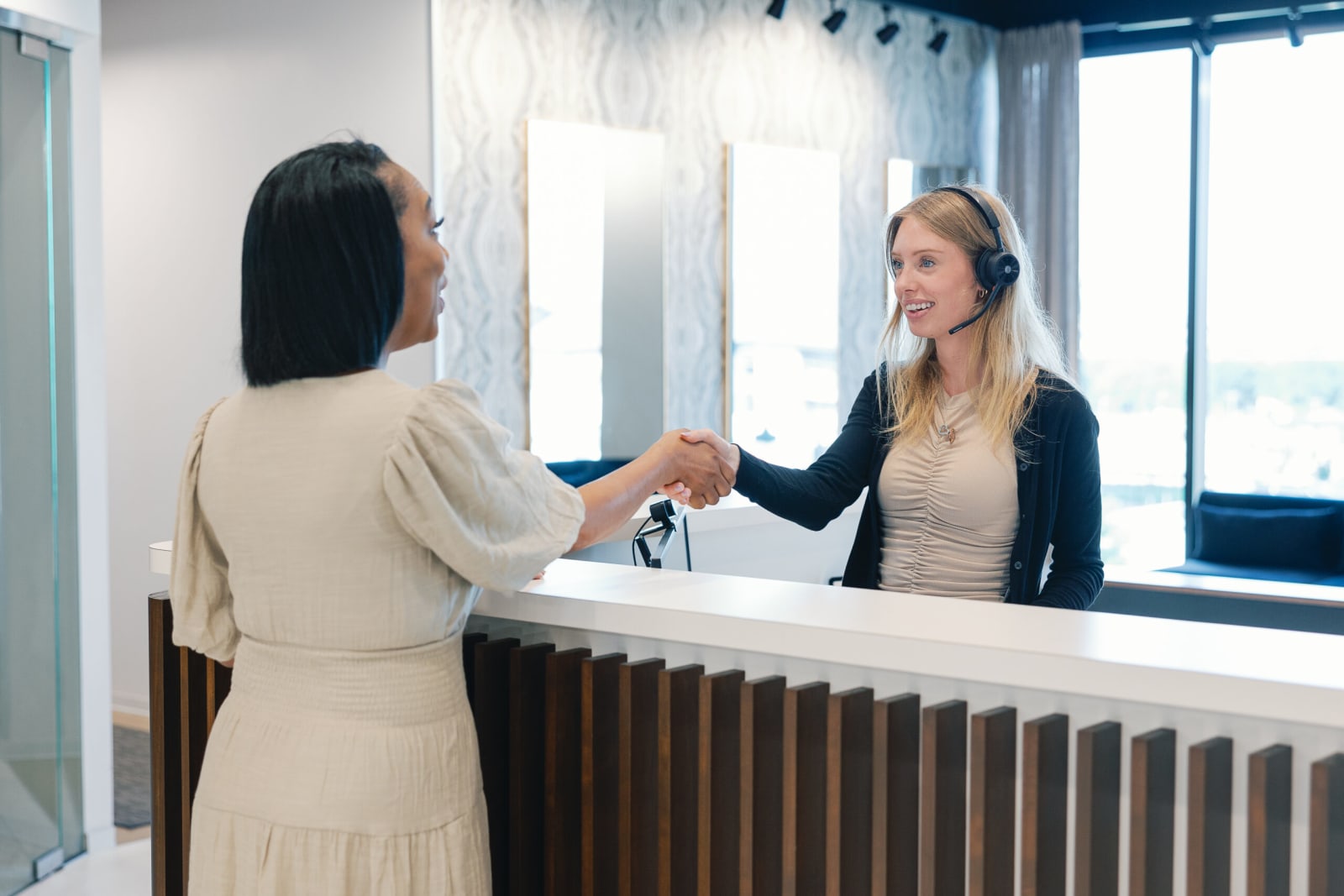
Understanding How Virtual Offices Work
A virtual office functions by allowing businesses to use a commercial office location as their official business address while operating from another location. Instead of working daily at the office, members receive access to services associated with the office location, such as:
- Mail and package handling
- Business address usage
- Meeting room access
- Administrative support services
This model allows businesses to operate remotely while still presenting themselves as established companies with a commercial office presence. For example, a company may operate entirely online but list a professional business address in a major city on their website, marketing materials, and business registration documents. When mail or packages arrive at the address, the office staff receives them on behalf of the business and notifies the member or forwards the mail as requested. Some providers also allow businesses to reserve conference rooms or day offices when they need to meet clients in person. Virtual offices are the professional presence without the large capital investment.
Typical Virtual Office Services

Virtual office memberships typically include a combination of business address services and optional administrative support. The exact services can vary by provider, but most virtual office packages include the following core features.
Professional Business Address
The primary benefit of a virtual office is access to a commercial business address located in a professional office building, making companies more legitimate.
This address can typically be used for:
- Business registration
- Website contact pages
- Google Business Profiles
- Business cards and marketing materials
- Client correspondence
Using a commercial address helps businesses avoid listing a home address publicly and creates a more professional appearance. This can also aide when a company wants to be perceived in a certain geographic area.
Mail and Package Handling
Virtual office providers receive mail and packages on behalf of members. The providers then help create a system to help distribute it to your preferences.
Typical mail services include:
- Secure mail reception
- Package acceptance from major carriers
- Mail notifications
- Mail forwarding upon request
- Mail pickup during office hours
This allows businesses to maintain a central mailing location even if the team works remotely. These help to establish one perinate presence.
Meeting Room Access
Many virtual office providers allow members to reserve meeting rooms or conference rooms when needed. The membership helps to give access to the great amenities coworking spaces have to offer.
These spaces can be used for:
- Client meetings
- Interviews
- Presentations
- Team meetings
- Training sessions
Meeting rooms often include professional amenities such as presentation screens, high-speed internet, and receptionist support. It is a good way to impress clients without the large upfront cost of an office or meeting room.
Day Offices or Temporary Workspace


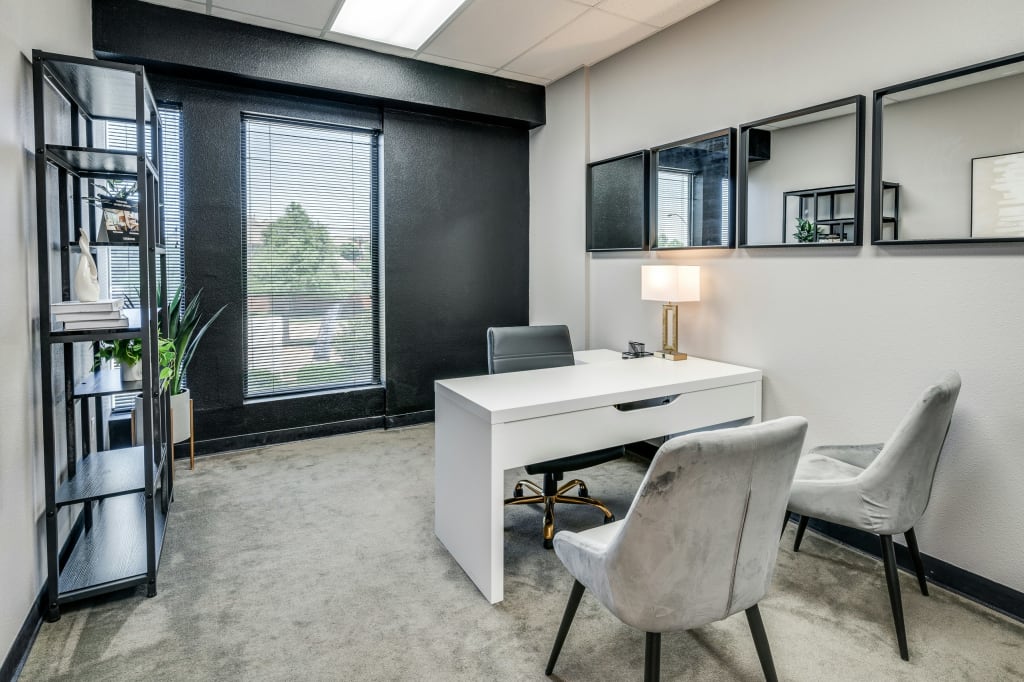
Some virtual office providers also allow members to reserve private day offices or coworking spaces. This can be helpful when businesses need occasional workspace for focused work or in-person collaboration. There are times when a change from working from home is very convenient.
Optional Phone Answering Services
Some providers offer optional live receptionist or phone answering services, where calls are answered using the business’s name. This is great because you no longer have to either hire a receptionist or use AI bots to answer your phone lines.
These services can include:
- Call answering
- Message forwarding
- Call routing
- Voicemail management
Phone answering services help small businesses appear larger and more established. They also help to increase client satisfaction.
Why Businesses Use Virtual Offices
Virtual offices are popular because they offer a professional presence without the cost of traditional office space. Businesses choose virtual offices for several key reasons.
Cost Efficiency
Leasing office space can be expensive, especially in major cities. Virtual offices allow businesses to access the benefits of a commercial office address at a fraction of the cost.
Companies can avoid expenses such as:
- Office rent
- Furniture
- Utilities
- Long-term leases
- Office maintenance
This makes virtual offices especially attractive for startups and small businesses.
Professional Credibility
A commercial business address can significantly improve how a company is perceived. Businesses using a home address may appear less established, while a professional office address signals stability and legitimacy. Clients, vendors, and partners often feel more comfortable working with companies that operate from a professional location. This also can be used to establish Google business accounts in a radius that is great for attracting top clientele.
Privacy Protection
Many entrepreneurs and freelancers work from home. Listing a home address publicly can raise privacy and security concerns. A virtual office allows business owners to keep their personal address private while still maintaining a professional contact address. Businesses prefer not to have people show up to their house similar to how most businesses do not use personal numbers.
Geographic Flexibility
Virtual offices allow businesses to establish a presence in multiple cities without opening physical offices. For example, a company based in one state may use virtual offices in several major markets to serve clients nationwide. This strategy can help businesses expand their reach without large capital investments.
Remote Work Compatibility
As remote work continues to grow, many businesses no longer need permanent office space. Virtual offices support remote teams by providing essential office functions while allowing employees to work from anywhere. In this hybrid world that can be very beneficial.
Who Uses Virtual Offices?



Virtual offices are used by a wide range of professionals and organizations that do not require full-time office space. Common users include:
Entrepreneurs and Startups
Many early-stage companies begin with a virtual office to establish a professional address while keeping costs low. This allows founders to invest more resources into product development, marketing, and growth. It also preestablishes a relationship with the coworking operator, so getting a physical office is much smoother.
Freelancers and Consultants
Independent professionals such as consultants, designers, lawyers, and marketers often use virtual offices to separate their personal and professional identities.
Remote Businesses
Companies with distributed teams may not require a central office but still need a business address and mail handling services.
E-commerce Businesses
Online businesses frequently operate without a storefront or office. A virtual office provides a reliable mailing address for returns, business registration, and customer communication.
Companies Expanding into New Cities
Businesses entering new markets often use virtual offices to establish a presence before committing to a physical office location. This allows them to test demand and build relationships locally.
Professionals Who Travel Frequently
Individuals who travel regularly may rely on virtual offices to maintain a consistent business address and manage incoming mail.
Virtual Office vs Physical Office vs Open Desks
Understanding the difference between a virtual office, a traditional office and open desks helps businesses decide which option fits their needs.
| Feature | Virtual Office | Private Office | Open Desk |
|---|---|---|---|
| Workspace | No permanent workspace; work remotely | Dedicated, enclosed office space | Shared workspace with flexible seating |
| Business Address | Professional business address included | Physical address tied to office location | Sometimes available (depends on provider) |
| Cost | Low monthly cost | Higher cost | Moderate cost (membership-based) |
| Flexibility | Highly flexible; work from anywhere | Moderate flexibility with lease terms | Flexible access (daily, monthly, or hot desk) |
| Office Access | On-demand access (meeting rooms, offices) | Full-time access to private space | Access during membership hours |
| Privacy | No dedicated private space | Fully private and secure workspace | Limited privacy (shared environment) |
| Staffing | Remote teams or individuals | On-site employees or teams | Individuals, freelancers, small teams |
| Setup Time | Quick and easy to set up | May require setup depending on provider | Immediate or very fast setup |
| Scalability | Easy to scale up or down | May require upgrading or moving offices | Easy to scale with more desks or memberships |
| Professional Image | Maintains credibility with business address and services | Strong professional presence with private branding | Professional but shared environment |
| Collaboration | Primarily virtual collaboration | In-person team collaboration | Networking and community collaboration |
| Amenities | Mail handling, call answering, meeting rooms | Fully serviced amenities (varies by provider) | Shared amenities (Wi-Fi, kitchen, lounges) |
| Best For | Remote businesses, startups, freelancers | Growing teams, established businesses | Freelancers, remote workers, hybrid teams |
When Should a Business Upgrade from a Virtual Office?
Many companies begin with a virtual office and later upgrade to a physical office as they grow. Signs that a business may need a physical office include:
- Hiring multiple in-person employees
- Hosting frequent client meetings
- Needing daily workspace access
- Expanding operations in a specific city
Virtual offices often serve as a steppingstone to private office space.
Summary Definitions:
Virtual Office
A virtual office is a business service that provides companies with a professional mailing address and administrative support services without requiring a full-time physical office space. Virtual offices allow businesses to maintain credibility, manage mail and communications, and access meeting spaces while operating remotely.
Frequently Asked Questions
Frequently Asked Questions
In most cases, virtual offices do not provide permanent daily workspace. However, many providers allow members to reserve meeting rooms, day offices, or coworking spaces when needed.
Yes. Most virtual office providers accept mail and packages from major carriers such as USPS, FedEx, UPS, and DHL. Staff members typically notify the business when items arrive.
In many cases, yes. Businesses often use virtual office addresses for business registration, licensing, and official correspondence, depending on local regulations.
Yes. Using a commercial business address instead of a residential address can improve credibility with clients, partners, and vendors.
Virtual offices are particularly well suited for remote companies because they provide essential business services without requiring employees to work in a central location.
Get started
How it works
Contact us
Your inquiries, handled with precision and speed.
Book a tour
Explore our spaces at your convenience.
Customize your workspace
Choose your layout and terms effortlessly.
Get to work
Move into your office today.