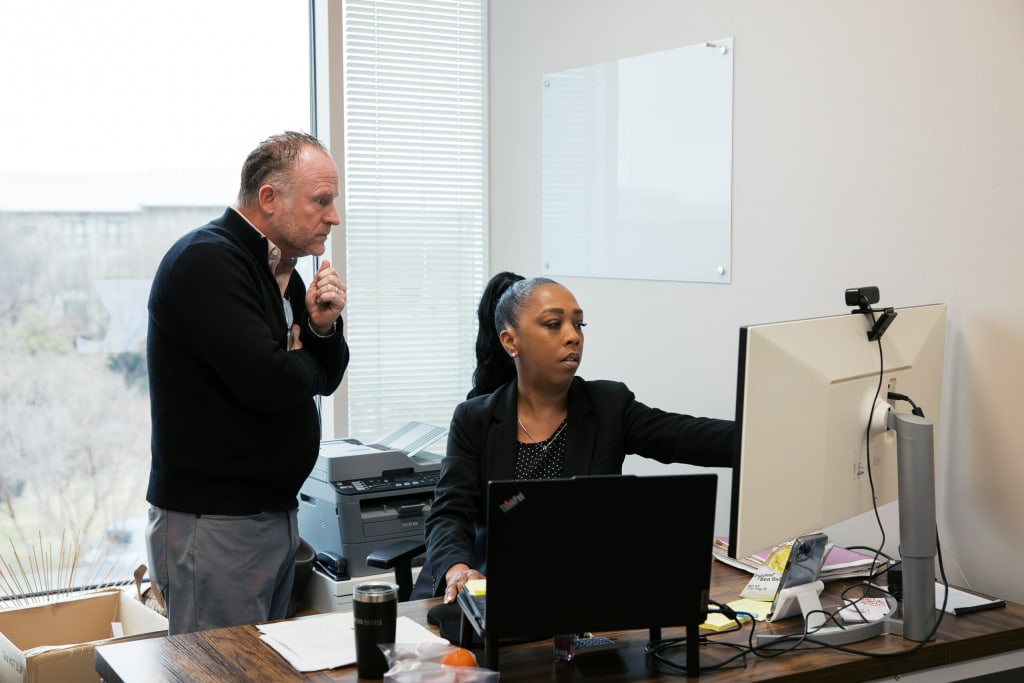
What is Private office rental today?
Definition of a Private Office
A private office is a fully enclosed, secure workspace designed for individual or team productivity. At Lucid Private Offices, we define the modern private office as a ‘Professional Sanctuary’ a distraction-free environment that combines the privacy of traditional leasing with the hospitality and agility of coworking. Private offices are commonly located inside coworking spaces, executive suite centers, and flexible office facilities, where businesses can rent office space with flexible terms rather than signing the traditional long term commercial lease.
Unlike open coworking desks, a private office provides exclusive access to a dedicated room with a locking door, allowing professionals to work in a quiet and secure environment while at the same time still benefiting from shared office amenities. Private offices are widely used by small businesses, hybrid teams, consultants, and professionals who require privacy, professionalism, and dedicated workspace without the cost and complexity of leasing traditional office space in a more modern style. Lucid Private Offices is an example of a private office-focused coworking space.
History of Private Offices in Flexible Workspaces
Historically, businesses seeking private offices typically had to sign long-term commercial leases (five to ten Years) for entire office suites or floors in traditional office buildings. This arrangement required a substantial upfront capital investment and ongoing operational responsibilities, including:
- Purchasing office furniture
- Setting up internet and phone service
- Hiring reception staff
- Maintaining meeting rooms
- Managing kitchen and shared areas
For many small businesses and startups, these requirements made traditional office space expensive and difficult to manage.
In the late 90’s the executive suite industry emerged to address this problem by offering smaller private offices inside shared business centers. It also allowed businesses to have access to the most modern technology like the xerox machine. Companies could rent a single office while sharing common amenities such as reception services, conference rooms, and break areas for terms much shorter like month to month. Modern coworking providers expanded this concept further. Today, many flexible office operators dedicate the majority of their floor plans to private offices rather than open desk environments, reflecting strong demand from businesses seeking privacy and professional workspace.
Features of a Private Office
Private offices inside coworking spaces and flexible office centers typically include a range of amenities designed to support professional work environments.


Fully Enclosed Workspace
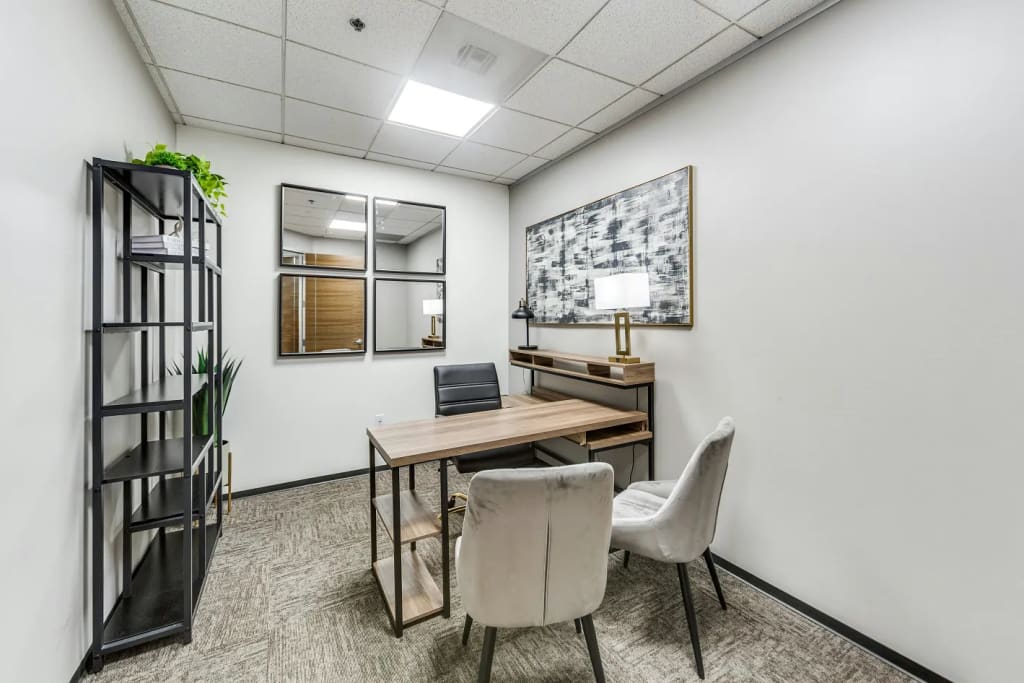
A private office is an enclosed room with walls and a door, allowing professionals to work without the noise and distractions often found in open coworking areas. Most offices include locking doors for security, privacy and the ability to customize an office without the worry of anything being stolen. Here is a list of other features.
Furniture and Office Equipment
Private offices are usually fully furnished, with desks, chairs, and storage included. Many office providers allow their tenants to pick from an assortment of options and customize layouts based on team size and dynamics. All the ternate has to do is set up their equipment and get to work.
Internet and Utilities
High-speed internet, electricity, heating, and air conditioning are typically included in the monthly membership fee.
Access to Shared Amenities
Members with private offices typically have access to shared workspace amenities that are meant to elevate businesses. These often include access to conference rooms, meeting rooms, kitchen and lounge areas, and printing and office equipment.
Reception and Mail Services
Many coworking operators provide front desk reception services, including mail handling, package acceptance, and visitor greeting. Companies become more professional without the costs of hiring more staff and training them. Members have more time to deal with the profit generating sides of their business while the provider takes care of the rest.
Who Uses Private Offices?
Private offices are commonly used by professionals and organizations that require privacy, security, or a professional environment for meeting clients.
Typical users include:
- Attorneys and legal professionals
- Financial advisors and accountants
- Consultants and small business owners
- Sales teams and regional offices
- Startup teams that require focused work environments
- Remote employees seeking professional workspace
Private offices are particularly valuable for businesses that regularly conduct confidential conversations or client meetings.
Private Offices vs Open Desks

Coworking spaces typically offer multiple workspace options, including open desks and private offices.
Open desks are open seating areas designed to promote flexibility, creativity and networking. They are commonly used by freelancers, independent professionals, and individuals who do not require a dedicated workspace. It is a coffee shop layout, where everyone shows up to work separately together.
Private offices, by contrast, prioritize privacy and productivity. They are better suited for professionals and teams that need:
- Confidential meeting space
- Secure storage for equipment or documents
- A quiet environment for focused work
- Dedicated workspace for multiple employees
- A professional setting for meeting clients
Many coworking providers allow businesses to start with desk memberships and upgrade to private offices as their teams grow.
Cost of a Private Office
The cost of a private office varies depending on several factors, including location, office size, provider and included amenities.
In most coworking spaces, private offices typically range from $400 to $2,000 per month for small offices, while larger team offices may cost significantly more in especially in major metropolitan markets.
Pricing may also vary based on:
- The number of workstations included
- Access to meeting rooms and amenities
- The prestige of the building or location
- Additional services such as dedicated reception support
Compared to traditional commercial leases, private offices often provide greater flexibility and lower upfront costs.
Potential Disadvantages of Private Offices
While private offices provide many benefits, they may not be the ideal solution for every professional. Potential limitations include:
- Higher cost compared to open coworking desks
- Less social interaction compared to open coworking areas
- Limited availability in smaller coworking locations
Despite these limitations, private offices remain the preferred workspace solution for many teams that require privacy and structure.
| Feature | Private Office (Professional Sanctuary) | Open Desk |
|---|---|---|
| Privacy & Acoustics | Full. Floor-to-ceiling walls and locking door for confidential calls. | Minimal. Shared open-air environment with ambient noise. |
| Security | Dedicated. Leave your monitors, files, and hardware in a locked room. | Mobile. Everything must be taken with you or put in a daily locker. |
| Professionalism | High. A formal environment to host clients and conduct meetings. | Casual. Best for “head-down” work or creative networking. |
| Customization | Flexible. Ability to add branding, extra filing, or custom layouts. | None. Standardized seating on a first-come, first-served basis. |
| Productivity Style | Deep work, high-focus, and sensitive team collaboration. | High-energy, collaborative, and social-focused. |
| Internet | Secure, often with options for private VLAN or hardwired ports. | Shared Wi-Fi network with standard security protocols. |
Why Private Offices Have Become the Core of Coworking
Early coworking spaces focused heavily on open desk environments designed to encourage collaboration and networking. Over time, however, market demand shifted toward more private work environments. Professionals wanted the flexibility of a temporary office while maintaining productivity. Many providers allow professionals to seamlessly switch locations, which is beneficial in this hybrid environment.
Today, many coworking operators dedicate the majority of their floor plans to private offices because:
- Businesses increasingly prioritize privacy
- Teams require secure workspaces
- Client-facing professionals need enclosed offices
- Private offices generate more predictable revenue for operators
As a result, private offices have become the primary product offered by many coworking providers.
Frequently Asked Questions
Frequently Asked Questions
No. Private offices can also exist in traditional office buildings. However, coworking and flexible office providers offer private offices with shorter lease terms and shared amenities, making them more accessible to small businesses.
Yes. Private offices generally cost more than open coworking desks because they provide exclusive workspace, greater privacy, and additional services.
Yes. Many coworking providers offer private offices designed for teams of two to ten people, making them ideal for startups, small businesses, and regional teams.
Typically yes. Lucid’s newer, more premium spaces command a slightly higher price than these older spaces (although less than you would probably expect).
Surprisingly the pricing is usually very similar to those brands. This comparison is more apples vs. oranges – meaning it is a subjective style preference rather than a quality scale.
Get started
How it works
Contact us
Your inquiries, handled with precision and speed.
Book a tour
Explore our spaces at your convenience.
Customize your workspace
Choose your layout and terms effortlessly.
Get to work
Move into your office today.